Restoring Balance
This is a health & wellness "tree" that I've created. Click on each flower to explore a different aspect of supporting PMOS, along with practical tips and advice!



Skincare
Daily routine
-
Always wash your face with cold water! If you wash your face in the shower, splash your face with cold water afterward. The priority is to calm the sebaceous (oil) glands.
-
Pay attention to the quality of the water used for washing your face. Try to install a water filter if possible!
-
Double or triple cleanse every night. Use an oil-based cleanser then a cleansing milk.
-
Avoid popping your pimples or frequently touching your skin with your hands. Chinese medicine views acne as heat-toxins, and bacteria on your hands can cause repeated infections.
-
If yellow pustules (pus heads) appear, dab warm external herbal wash or hot water onto the acne with a cotton swab, then apply oil-control skincare products and let it dry.
Lifestyle habits for acne-prone skin
-
Avoid spicy foods and rich/greasy/heavy foods.
-
Maintain regular & smooth bowel movements. In Chinese medicine theory, the Lung and Large Intestine are interior-exteriorly related. The Lung controls the skin and body hair growth. If your fuqi [伏气: "incubating pathogen," it describes a state where an external pathogenic factor (such as wind, cold, or damp-heat) enters the body but remains hidden or dormant in the tissues, membranes, or deeper energetic layers without causing immediate symptoms, eventually surfacing to trigger illness later] is not flowing smoothly, turbid Qi will seek an outlet (often through the skin).
-
Get sufficient sleep. Yin [阴: the passive, cooling, nourishing, and fluid energy of the body] energy is connected to blood. Yin is activated at night and has a nourishing and moistening quality. People who sleep enough tend to have more hydrated, glowing skin, and it also helps reduce the condition of Yin deficiency with excess fire [when overabundance of active Yang 阳, the opposite of Yin, energy creates internal heat & inflammation].
-
Wash and change your bedding at least once a week. Try to change your pillowcase every 1-2 days.
-
Wash your makeup brushes & sponges regularly, and replace them every 2-3 months.
Product recommendations (not sponsored!)
-
Skincare products should mainly focus on replenishing moisture. Acne-prone skin is usually a result of external oiliness with internal dryness. Increasing moisture helps the skin self-balance and reduce oil secretion.
-
In general: use more oil-control products.
-
Do 1 face mask treatment every week. Hydrating masks and oil-control masks (such as mud masks) are most effective.
-
Below are some gentle, effective, oil-control skincare products that are available at most drugstores:


Step 1: Oil-based Cleanser
Step 2: Cleansing Milk
Step 3: Moisturizer
Step 4: Face Mask
ANUA Heartleaf Pore Control Cleansing Oil
Cetaphil Gentle Skin Cleanser
CeraVe Oil Control Moisturising Gel-Cream
Cetaphil Pro Oil Control Purifying Clay Mask

Nutrition
In Traditional Chinese Medicine, food is one of the most accessible ways to support the body’s internal balance. For PMOS, the focus is often on strengthening digestion (Spleen), supporting reproductive essence (Kidney), and encouraging the smooth flow of energy (Liver), while reducing dampness and stagnation that can contribute to PMOS symptoms. The suggestions below are general guidelines based on common TCM principles. Individual needs obviously vary, so please adapt the tips to your own pattern and preferences!
General principles
-
Try to eat mainly warm, cooked foods over cold or raw ones, as they are easier for the digestive system to process.
-
Begin the day with a warm breakfast (e.g., congee or porridge)
-
-
Eat regular meals to help stabilize your energy levels and blood sugar—eat 3 meals at around the same time each day!
-
Focus on eating whole, minimally processed foods.
-
Chew thoroughly!
-
Include ginger in cooking or as a mild tea (ginger dispels cold, supports digestion, and restores vital energy).
Foods that support different body systems & functions
Spleen 脾 (pí)
A strong Spleen helps transform food into energy & prevents the buildup of dampness and phlegm (often linked to weight concerns, cysts, and sluggish digestion).
🌾 Warm cooked grains: millet, brown rice, quinoa, oats
🍠 Root vegetables: sweet potato, pumpkin, carrot, Chinese yam (山药)
🫘 Legumes: red beans, mung beans, lentils
🫚 Warming spices: ginger, cinnamon
🥣 Light soups and broths
Kidney 肾 (shèn)
The Kidney system is viewed as the foundation of reproductive health and long-term vitality.
🫘 Black/dark-coloured foods: black sesame, black beans, black rice, seaweed
🌰 Nuts and seeds: walnuts, chestnuts
🍒 Goji berries
🥘 Bone broth or slow-cooked stews
🐑 Small amounts of warming proteins such as lamb or eggs (if suitable for you)
Liver 肝 (gān)
When Qi (energy) in the Liver is stagnant, it can affect mood, the menstrual cycle, and hormone balance.
🥬 Leafy greens: bok choy, spinach, kale, Chinese broccoli
🍋 Slightly sour/aromatic foods: lemon, celery, radish, small amounts of vinegar
🍵 Herbal teas: chrysanthemum, mint, or rose (in moderation)
🥕 Lightly cooked vegetables rather than heavy, greasy meals
Blood 血 (xuè)
Healthy Blood nourishment helps with overall vitality, hair, and skin quality.
🥦 Dark leafy greens
🪻 Beetroot, goji berries, dates (in moderation)
🍳 Eggs and quality proteins
🌱 Black sesame seeds
Foods to reduce or limit
These foods are commonly considered damp-forming or overly stimulating in TCM and may worsen symptoms for many people with PMOS patterns:
-
Excessive dairy (especially cow’s milk)
-
Sugary foods and refined carbohydrates (e.g. white bread/pastries)
-
Greasy, deep-fried, or heavily processed foods
-
Very spicy or intense/heavy foods
-
Cold drinks and large amounts of raw/cold foods (especially if you tend to feel cold or bloated!)
-
Excess alcohol and caffeine
Of course: no need to avoid these foods completely—just consume them in moderation & adjust intake according to the symptoms you're experiencing!
Exercise

Rather than viewing exercise purely as a way to burn calories, TCM sees physical movement as a gentle, intentional tool to break up energy blockages, nourish internal organs, and restore Qi flow & the balance between Yin and Yang.
Main principle: consistency without exhaustion (over-exercising can drain your energy & worsen hormonal imbalance!)
1: Cardio for better Qi flow
-
Walking, cycling, or light dancing
-
Smooths Liver Qi stagnation. In TCM, stress causes the Liver Qi to become trapped, which can disrupt menstrual cycles and mood. Moderate cardio gets energy moving throughout the whole body without inducing high stress or fatigue.
2: Internal energy & balance
-
Qigong (气功) & Tai Chi (太极)—slow movements with deep breathing - search for some beginner-friendly tutorials on Youtube!
-
Directly cultivates & directs Qi while calming the nervous system. These practices gently massage the internal organs (including the Spleen and Kidneys), helping to process dampness (which TCM correlates with fluid retention and slow metabolism).
3: Gentle strength training
-
Low-impact strength training, yoga, bodyweight exercises.
-
Builds physical resilience while preserving Yin (the body's cooling, nourishing energy)
-
Poses that open the hips and lower back help direct circulation and Blood flow specifically to the pelvic cavity and reproductive organs.
Sample Workout Routine
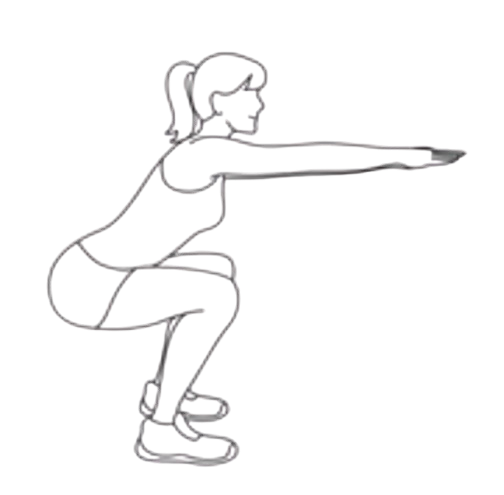
Perform each exercise slowly with deep, rhythmic breaths. Repeat the circuit 2–3 times.
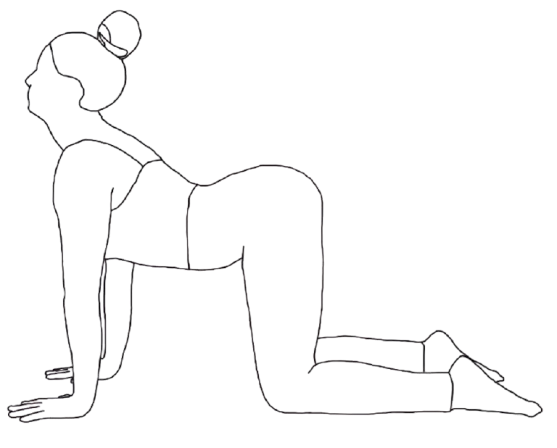


Cat-Cow Stretch
Bodyweight Squats
Glute Bridges
Side Planks
Child's Pose
1 minute
Mobilizes the spine and unlocks trapped energy along the back
10-12 reps
Strengthens the legs and grounds your energy toward the earth
10-12 reps
Stimulates Blood flow directly into the pelvic region and lower abdomen
20 per side
Builds core stability without spiking stress hormones
1 minute
Restores energy, calms the nervous system, and grounds the mind
Pro-Tip! Pay attention to how you feel after a workout. You should feel energized and clear-headed, not wiped out or drained. If you feel exhausted for hours after exercising, dial back the intensity to protect your energy!

Tip 1: Groundwork & breathing
-
Practice 4-7-8 breathing for 5 minutes each day
-
Inhaling quietly for 4 seconds, hold for 7 seconds, and exhaling loudly for 8 seconds
-
-
Or: try Diaphragmatic "Belly" Breathing
-
Lie on your back on a flat surface or sit upright in a comfortable chair
-
Place one hand on your upper chest and the other hand on your belly just below your rib cage
-
Breathe in slowly for 2-3 seconds so that you feel your stomach move outward while your chest stays as still as possible
-
Tighten your stomach muscles slightly and exhale slowly through pursed lips, feeling your belly move back down
-
Tip 2: Journal
-
Spend 10 minutes writing down your thoughts, worries, or things you're grateful for before bed. This helps with stress levels, mood swings & helps you fall asleep faster!
In Traditional Chinese Medicine, the mind and body are inseparable. In order to find better internal balance, TCM focuses on nurturing the "Shen" (神: spirit) & grounding, helping you find a calm center to return to.
Mental Health

Traditional Chinese Medicine
TCM Herbal medicines are complex & highly-tailored to your individual symptoms & needs. All medicines are natural ingredients that possess strong therapeutic qualities, which means taking the wrong formula can disrupt your body's internal harmony. Always consult with a licensed Traditional Chinese Medicine practitioner or doctor before taking any herbal medicine.
Zhibai Dihuang Pills (知柏地黄丸)
-
Lowers excess androgens
-
Encourages ovulation by balancing the Luteinizing Hormone (LH) to Follicle-Stimulating Hormone (FSH)
-
Promotes period regularity through improving blood flow to the reproductive organs
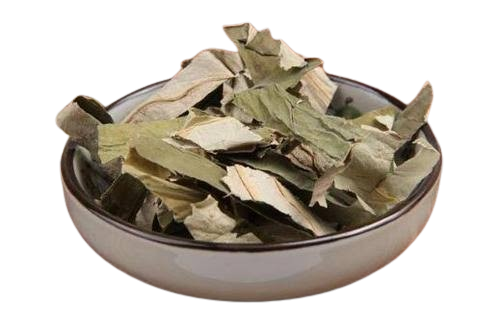
Lotus Leaf (荷叶)
-
Used to clear internal dampness and phlegm
-
Supports fat metabolism and digestion
Red Sage Root (丹参)
-
Promotes micro-blood circulation to the reproductive organs
-
Helps reduce inflammation
-
Lowers serum testosterone levels to promote clearer skin and regular ovulation

Acupuncture
Acupuncture is a core part of TCM that involves the gentle insertion of fine, sterile needles at specific points on the body. These points help regulate the flow of Qi and Blood, support the function of key organ systems, and restore overall balance.
Many people explore acupuncture to support:
-
More regular menstrual cycles and ovulation
-
Hormonal balance
-
Reduced stress and improved emotional well-being
-
Better energy and sleep
-
Support for metabolic health and insulin sensitivity
-
Relief from related symptoms such as abdominal discomfort or tension
Modern research suggests acupuncture may influence the nervous and endocrine systems, including pathways that help regulate reproductive hormones and stress responses!
What to expect:
-
A typical acupuncture session lasts 30-60 minutes. After a consultation to understand your pattern and symptoms, the practitioner selects points (often on the abdomen, legs, arms, or back). Most people feel little more than a mild sensation when the needles are placed. It is meant to feel very relaxing!
-
Treatment plans are highly individualized. Some people begin with sessions once or twice a week and then space them out as balance improves. Consistency over a period of weeks or months is usually more helpful than occasional visits.
-
Finding a qualified practitioner:
-
Look for a licensed or registered acupuncturist in your area who has experience with women’s health or reproductive conditions.
-
In many places, practitioners may also be trained in Chinese herbal medicine, which can complement the acupuncture treatment!
-


A few Ingredient recommendations:
Glossy Privet Fruit (女贞子) & Yerbadetajo Herb (墨旱莲)
-
These two herbs are almost always paired together to support:
-
Egg maturation
-
Regulate the hypothalamic-pituitary-ovarian axis (feedback loop in the body that controls the female reproductive system and menstrual cycle)
-
Address symptoms like hair thinning or hot flashes
-
柴胡 Bupleurum Root
Besides traditional herbal medicine, you can also incorporate these simple dietary remedies into your routine:
-
Motherwort (益母草) with Ginger Tea
-
Preparation: combine 10-15 grams of dried Motherwort and 3-4 thin slices of fresh ginger in a small pot with 2 to 3 cups of water. Bring to a boil, then reduce heat and let it simmer for 15 to 20 minutes. Strain out the herbs and ginger, then drink warm. (optional: add a small piece of brown sugar for better taste!)
-
Motherwort is renowned in Chinese medicine for promoting blood circulation, removing stasis, and regulating the menstrual cycle. Paired with warming ginger, this tea helps ease menstrual cramps, reduce abdominal coldness, and encourage smooth, healthy blood flow.
-
Drink this every other day in the week leading up to your period!
-
- Rose tea
- Helps smooth Liver Qi, relieve emotional tension or PMS-related mood swings, and ease mild abdominal bloating and breast tenderness prior to your period
- Preparation: just place around 5 distilled rose petals in hot water & sip on it throughout the day!


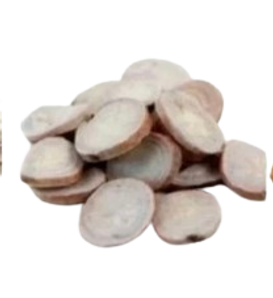
白芍 White Peony Root


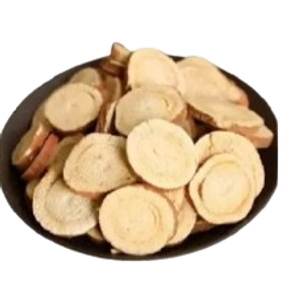
枳实 Immature Bitter Orange

Si Ni San (四逆散: combination of 4 herbs)
-
Eases Stress and emotional tension
-
Helps address stress-induced digestive issues, such as bloating, abdominal pain, acid reflux, or unstable bowel movements (similar to IBS symptoms)
炙甘草 Honey-fried Licorice Root
Hawthorn (山楂)
-
Helps break down food stagnation (causes blockage of digestive energy & abdominal pain)
-
Improves lipid metabolism
-
Lowers blood sugar spikes
